Cold Climate Heat Pumps: Do They Work in Northern Michigan?
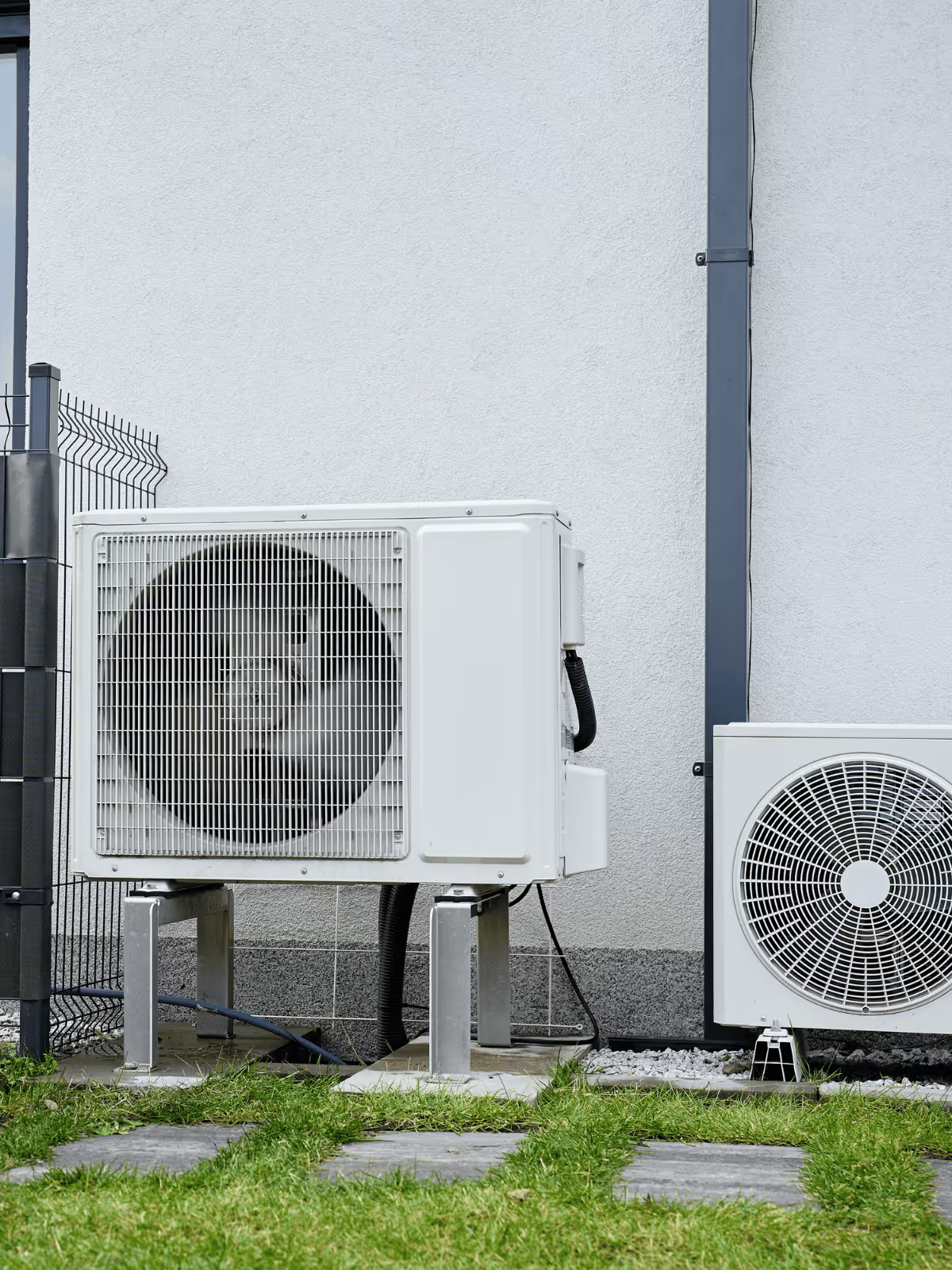
Heat pumps have a reputation for struggling in the cold, and for older models that reputation was earned. Today's cold climate heat pumps are a different machine. They are built for winters like ours, and for many Northern Michigan homes they deliver efficient heating and cooling from a single system. Here is how they work and how to tell whether one fits your home.
How a Heat Pump Works
A furnace makes heat by burning fuel. A heat pump does not make heat at all. It moves heat from one place to another. In winter it pulls warmth out of the outdoor air, even cold air, and carries it inside. In summer it runs in reverse, pulling heat out of your home to cool it. Because moving heat takes far less energy than creating it, a heat pump can deliver more comfort per dollar of energy than a combustion furnace.
Do They Really Work in the Cold?
This is the question every Michigan homeowner asks, and it is a fair one. Older heat pumps lost their footing once temperatures dropped near freezing. Cold climate models use variable speed compressors and improved refrigerants to keep pulling usable heat from the air well below freezing, into ranges that cover the large majority of our heating season. On the coldest stretches of deep winter, the system can lean on a backup heat source to keep up, which is why proper design matters for a Northern Michigan install.
When Backup Heat Helps
Many homes here run a heat pump as the primary system with a backup for the coldest days. That backup might be an electric element or an existing furnace in what is called a dual fuel setup. The heat pump handles most of the season efficiently, and the backup steps in only when temperatures fall to the point where it is the more economical choice. A well designed system switches between them automatically.
Ducted or Ductless
Heat pumps come in two main forms. A ducted, or central, heat pump uses your existing ductwork much like a furnace and central air. A ductless system uses one or more indoor heads and needs no ducts at all, which suits additions, older homes, and rooms that never feel comfortable. Both are heat pumps and both heat and cool. Our overview of ductless mini splits covers where the ductless option shines.
The Advantages of a Heat Pump
- One system that both heats and cools, replacing a separate furnace and air conditioner.
- High efficiency that can lower your energy costs over the year.
- Even, steady comfort without the hot blasts and cool lulls of a combustion furnace.
- No combustion in the home when a heat pump is the sole heat source, which removes one source of indoor air quality concern.
- Eligibility for state and utility incentives that improve the value.
Cost, Incentives, and Sizing
A heat pump is a larger upfront investment than a basic furnace, but rebates and financing narrow the gap, and the year round efficiency works in your favor over time. Our guide on 2026 Michigan heat pump rebates and financing breaks down what is available this year. Just as important as the equipment is the sizing. A unit that is too large or too small will not perform or last the way it should, so a proper load calculation is part of any quality installation.
Is a Heat Pump Right for Your Home?
A heat pump is not the perfect answer for every house. Insulation, ductwork, your current system, and your budget all play a part. That is why an honest assessment beats a one size fits all recommendation. For some homes a heat pump is a clear win. For others, keeping a furnace and adding a heat pump for shoulder seasons makes more sense.
Common Myths About Heat Pumps
A few outdated ideas keep homeowners from considering a system that might serve them well.
- They blow cold air. Heat pump air feels cooler than a furnace blast because it is delivered at a lower temperature over a longer run, which actually keeps the home more evenly warm.
- They quit in the cold. That was true of older units. Cold climate models are rated to keep heating well below freezing.
- They cost too much to run. Efficiency depends on your home and energy prices, and a dual fuel setup lets the system pick the cheaper source as the temperature changes.
What Installation Involves
Installing a heat pump is a bigger project than swapping a like for like furnace, and the details matter. A quality install starts with a load calculation to size the system to your home rather than to a rule of thumb. For a ducted system, the existing ductwork is checked to make sure it can carry the airflow. For a ductless system, indoor heads are placed for even comfort and the lines are routed cleanly. The electrical service is confirmed, and for a dual fuel setup the controls are configured to hand off between the heat pump and the backup at the right temperature. Good installation is what turns the equipment's potential into real comfort and savings.
Heat Pumps Alongside a Furnace
You do not have to choose between a heat pump and your furnace. In a dual fuel system the two work as a team. The heat pump carries the mild and moderate cold that makes up most of the season, and the furnace takes over only when the temperature drops far enough that it becomes the better option. This approach is popular in Northern Michigan because it captures the efficiency of a heat pump without giving up the reassurance of a furnace on the harshest nights.
Frequently Asked Questions
Will a heat pump keep my home warm in a Michigan winter?
A properly sized cold climate heat pump handles the large majority of our heating season on its own. For the coldest days, a backup heat source keeps the home comfortable, and the system manages the handoff automatically.
Is a heat pump cheaper to run than a furnace?
Because it moves heat rather than burning fuel, a heat pump is efficient across most of the season. How the running cost compares depends on local energy prices and your home, and a dual fuel setup can use whichever source is cheaper at a given temperature.
Can one system really heat and cool my home?
Yes. A heat pump reverses its cycle to cool in summer and heat in winter, so it replaces both a furnace and an air conditioner with a single system.
Do I need ductwork to install one?
No. A ductless heat pump uses indoor heads instead of ducts, which makes it a strong option for homes and additions without a duct system.
How long does a heat pump last?
With regular maintenance, a heat pump generally lasts on par with a furnace and air conditioner. Because it runs year round rather than seasonally, keeping up with service matters for getting the full life out of it.
Explore Efficient Comfort With M&M
If you are curious whether a heat pump suits your setup, our team can assess your home and give you a straight answer. Learn more about our heat pump services, browse all our HVAC options, or contact us to explore efficient heating and cooling for your Indian River area home.
Ready to get started today?
All emergency after hour service please call 231-238-7201, press 9.